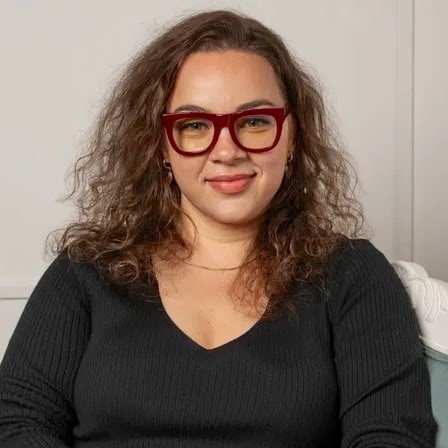
About my mental skills development and performance psychology
“I have always been fascinated by the non-material aspects of human life, such as emotions, thoughts, and beliefs, and their role in shaping both individuals and, in a broader context, cultures. Sports are a distinct cultural arena that, upon entering, allows human beings to develop skills not as prevalent elsewhere. This doesn’t mean those skills can’t be used outside of sports, but the concentration, frequency, and importance of these skills is significantly different in the sporting context.”
My professional journey
Summer 2026 (Goal)
LPC and CMPC
Oris Counseling, LLC, Portland, OR
2025 – Present
CMPC Certification Process
Association for Applied Sport Psychology
2025
Full Unrestricted LPC License
Oregon Board of Licensed Professional Counselors and Therapists (OBPLCT)
2023 – 2025
MSc Sport and Exercise Psychology
Setanta College, Ireland
September 2023 – Present
Owner/Mental Health Therapist
Oris Counseling, LLC, Portland, OR
2022
PCA License
Oregon Board of Licensed Professional Counselors and Therapists (OBPLCT)
June 2021 – April 2023
Mental Health Therapist
Catholic Charities of Oregon/Barcelona Counseling, Portland, OR
2015
A.A. Degree in Liberal Arts and Sciences, Humanities and Social Sciences
Dutchess Community College, Poughkeepsie, NY
October 2008 – September 2010
Psychologist
Vladivostok Children Hospital/Municipal State Healthcare Facility, Vladivostok, Russian Federation
2008
MS in Psychology, Major in Clinical Psychology
Far Eastern Federal University (FEFU), Vladivostok, Russian Federation
2005
BS in Clinical Psychology
Vladivostok State Medical University (VSMU), Vladivostok, Russian Federation
June 2001 – 2002
Educator / Volunteer
• Co-created a youth public organization focused on AIDS prevention and drug use prevention
• Developed and conducted training sessions on AIDS prevention and drug abuse prevention
• Developed and conducted training sessions on AIDS prevention and drug abuse prevention
“Jizn” Youth Public Organization, Vladivostok, Russian Federation

My Experience & Curiosity
My journey in the field of mental health began in 2008 when I graduated with a Master’s degree in clinical psychology. Over the years, I have gained diverse experience working in hospital settings, social services, and group settings. Currently, I am in private practice, providing mental health counseling. This extensive experience has deepened my understanding of the human mind.
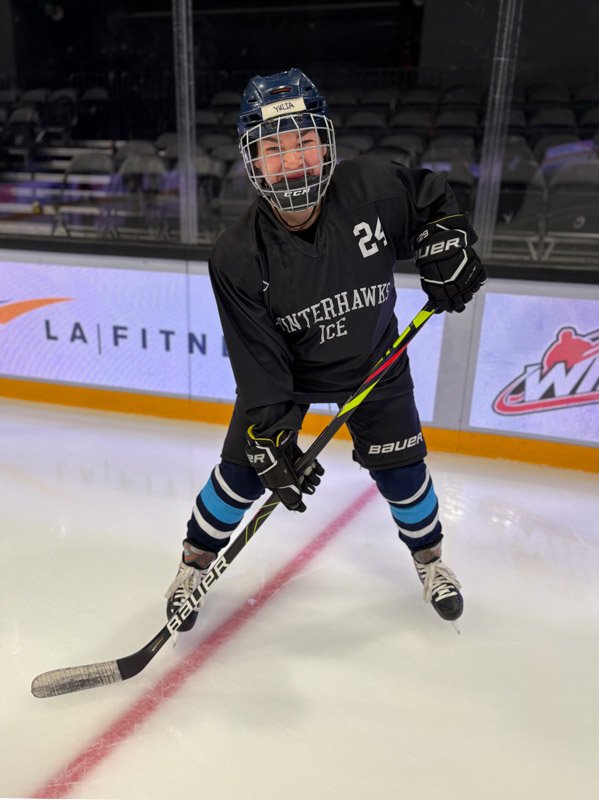
My interest in sports psychology was sparked in a personal context. While watching my husband’s ice hockey games, I became curious about the sometimes obvious differences in how the game was played, even when other factors like skill level and team makeup stayed the same. This curiosity led me to read extensively on the subject and eventually pursue a career in sports psychology. To deepen my understanding, I also started playing hockey myself.
My Approach
Based on my experience, mindset is one of the most crucial factors—everything else stems from developing a mindset that filters reality into a specific perception. I focus on adjusting the mindset to suit the client’s current needs, goals, and real-world situation. For instance, we might analyze both intrinsic and extrinsic motivational factors and work on shifting emphasis toward the more powerful intrinsic motivation. Although both types usually coexist, stronger intrinsic motivation tends to lead to better results.
What resonates most with me about elite-level competition is this: when athletes reach the top tiers, their physical skills and equipment quality are all honed to near perfection. Since these factors become fairly equal, what sets the winners apart from the rest mainly comes down to mental skills.


My perspective
I believe mental skills should be developed alongside overall player growth, not considered an afterthought when issues emerge. I offer workshops for parents and young players to foster mental skills from an early age. I firmly believe that when we listen to ourselves, set goals, and work toward what matters to us, we tend to be happier overall. There’s no guarantee we’ll reach exactly where we plan – sometimes goals change, priorities shift, and we can always adjust – but in the end, when we look back, we understand why we made certain choices and what they meant for us.
Having experienced the challenges of cultural adaptation firsthand, I understand the impact it can have on performance. Moving to a new country, adapting to different coaching styles, dealing with communication barriers, and managing homesickness are significant hurdles.
I am here to provide the support and understanding that is often overlooked in traditional sports psychology approaches.Yulia Tsarenko CareyLicensed Professional Counselor in the state of Oregon
Bilingual and bicultural in Portland, OR
MS Clinical Psychology
MS Applied Sport and Exercise Psychology